Awaab's Law phase 2: The seven new hazards and timescales
Awaab's Law phase 2: The seven new hazards and timescales
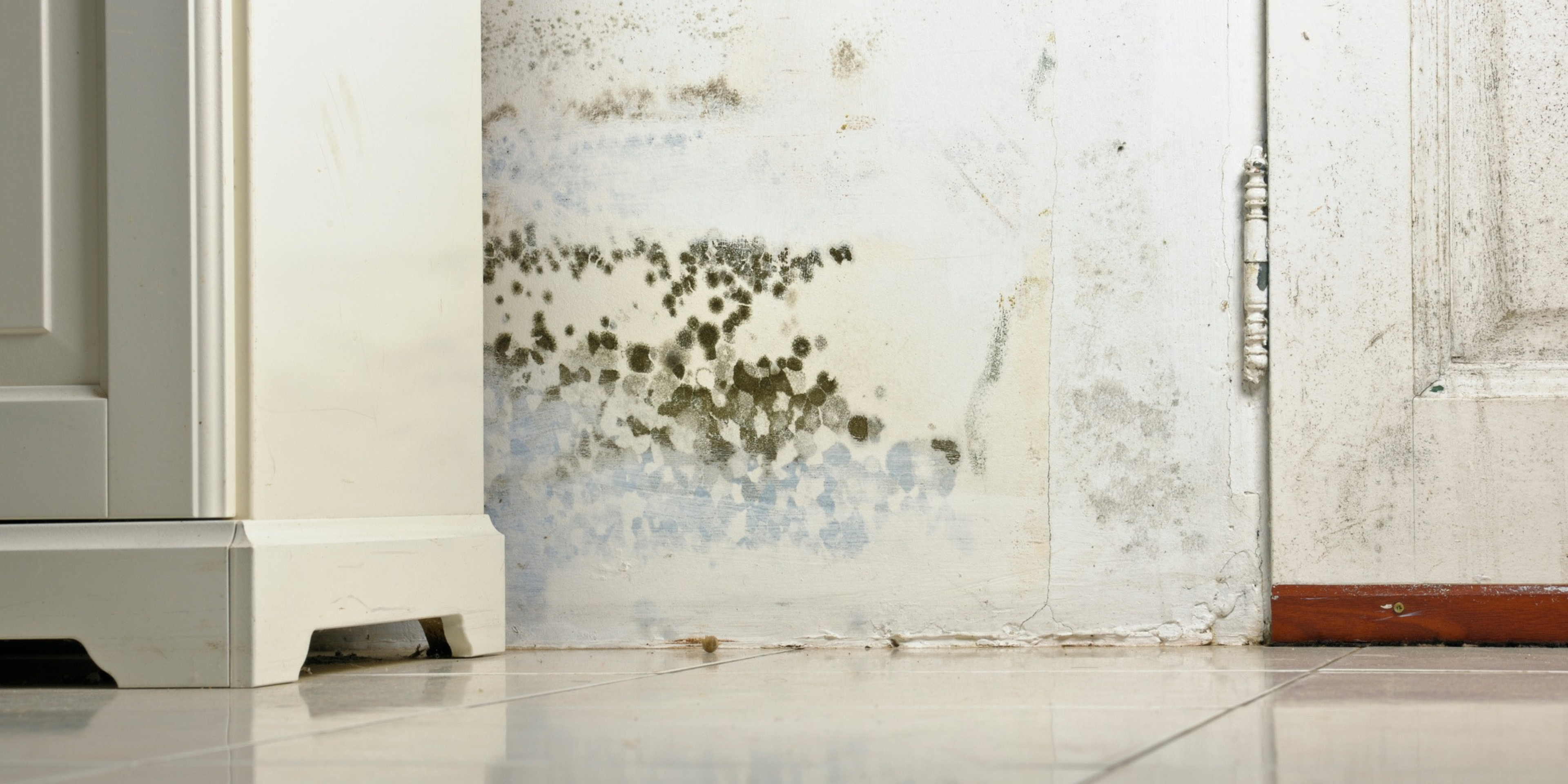
Awaab’s Law phase 2 is due to come into force on 30 November 2026, subject to parliamentary approval. From then on, a damaged staircase or a faulty socket in a social home in England will have the same legal deadlines as dangerous damp and mould, even when it isn’t an emergency. Phase 2 adds seven more types of hazard [1] [2], and each one gets the deadlines that damp, mould and emergency hazards have had since October 2025 [1] [2].
Your repairs team already knows these hazards, but the deadlines and the records are the new part, and this guide covers both. It draws on AI in Property: The UK Report 2026, our report on AI across UK housing [3].
What is Awaab's Law?
Awaab's Law sets fixed timescales for social landlords in England to deal with dangerous hazards in their tenants' homes [1] [2]. This means that when a tenant reports something dangerous in their home, the landlord has to look into it and fix it within set deadlines. It was introduced after two-year-old Awaab Ishak died in 2020 after living with dangerous damp and mould [2].
When does Awaab's Law phase 2 come into force?
The law is coming in three stages:
- Phase 1, since October 2025: dangerous damp and mould, and emergency hazards [1] [2].
- Phase 2, due 30 November 2026: seven more types of hazard [1] [2].
- Phase 3, in 2027: the remaining hazards in the Housing Health and Safety Rating System (HHSRS), the government’s system for rating risks to health and safety in a home. Overcrowding is the one exception [1] [2].
The rules for phase 2 were put before Parliament on 13 July 2026, and the government has published guidance for social landlords [2] [4]. Parliament still needs to approve them before they start [1].
Which hazards does Awaab's Law phase 2 cover?
The seven new categories are [4]:
1. Electrical hazards.
2. Falls, including falls on the level, falls on stairs and falls between levels.
3. Fire and explosions.
4. Excess cold.
5. Excess heat, such as a flat that overheats because its windows won't open.
6. Structural collapse and falling elements, like rotten floors or damaged balconies at risk of collapse while in use.
7. Domestic hygiene.
The English Housing Survey 2024 to 2025 records 2.3 million homes in England, or 9 percent of the stock across all tenures, with a Category 1 hazard. This is the most serious level under the HHSRS, and falls on stairs and excess cold are among the most common [5].
What are the Awaab's Law timescales?
Most are counted in working days [2].
- If there’s an immediate danger: look into it and make the home safe within 24 hours.
- If there’s a significant hazard: look into it within 10 working days.
- Once you’ve looked into it: write to the tenant within 3 working days, saying what’s wrong and what you’ll do.
- If urgent safety work is needed: do it within 5 working days of the investigation.
- If a longer repair is needed: start it within 12 weeks.
The government says a home will be made safe "within 15 days or less" [2]. The clock is only part of the decision. Repairs teams also need to understand who is affected and whether their circumstances change the level of risk or the action required. Triage therefore needs to consider the resident as well as the physical condition of the home.
Can your repairs team follow a case from report to resolution?
If the Ombudsman or the regulator asks, you need to show what happened at every step. This table, built from our report’s example of a landlord with 20,000 homes, shows what to write down [3]. It’s a starting point, and the government’s guidance has the legal detail [4].
|
Step |
Deadline |
What the record should show |
|
Report received |
Starts the clock |
Date and time, hazard category, phase and the timescale that applies |
|
Immediate danger |
Within 24 hours |
When the home was made safe, and by whom |
|
Investigation |
Within 10 working days |
The date, who investigated and what was found |
|
Written summary |
Within 3 working days |
When it was sent and what it said the landlord would do |
|
Urgent safety work |
Within 5 working days of the investigation |
The date the work was completed |
|
Longer-term repair |
Started within 12 weeks |
The date the repair started |
|
Throughout |
Until the case closes |
A complete record through any change of contractor or officer, ready for the Ombudsman or regulator |
Why does the Housing Ombudsman's data make this urgent?
The Housing Ombudsman handles tenants’ complaints about their landlords. Of the cases it decided in 2025-26, responsive repairs featured in 80 percent [6]. Damp and mould made up 34 percent of the repairs complaints it looked at, and it ruled in the tenant’s favour in over 75 percent of those [6]. Under phase 2, missing a deadline on any of the seven new hazards will break the law, so far more repairs work will come under the same scrutiny.
Where can software help, and where must a person decide?
Every hazard report needs sorting, timing and tracking from the moment it comes in. Our report suggests setting this up in your housing management system, so each report moves through steps with a deadline attached [3].
Software can help with the admin: suggesting which type of hazard it is and which deadline applies, and drafting the letter to the tenant for staff to check before it’s sent. A named member of staff checks those suggestions, ensures the hazard is investigated and decides what action is needed [3]. The software suggests; a person decides. This reflects two of the five conditions our report sets for using AI responsibly in housing: the system has to know the law, including how to count working days, and a named person stays responsible for every decision [3].
What should social landlords have in place before 30 November?
From the report's recommendations [3], ask yourself these questions about your own organisation:
• Can everyone who receives a report recognise and triage all seven new hazard categories?
• Does your triage consider the resident as well as the condition of the property?
• Does every case automatically get the correct legal timescale?
• Can your team investigate, make safe and communicate with the resident within the required timescales?
• What happens if you cannot make the home or resident safe within the required time?
• Can staff see the complete history of a case in one place, including changes of contractor or officer?
• Is it clear where software assists and where a person is responsible for making the decision?
• Could you publish your hazard response times if you were asked to? Social landlords in Wales already have to [7].
Frequently asked questions
Has Awaab's Law been passed?
Phase 1 has applied to social landlords in England since October 2025. The phase 2 regulations were put before Parliament on 13 July 2026 and, according to the government's announcement of 8 October 2026, are due to come into force on 30 November 2026, subject to parliamentary approval.
Does Awaab's Law apply to private landlords?
In England, Awaab's Law currently applies to social landlords; on 8 October 2026 the government announced a consultation on applying it to the private rented sector. In Scotland, Awaab's Law regulations came into force on 6 October 2026 for social and private landlords for damp and mould, according to the Scottish Government's guidance [8].
Further reading
- AI in Property: The UK Report 2026
- Versaa powered by Aareon Intelligence whitepaper
Sources
- MHCLG. Clampdown on dangerous homes to protect more tenants and families. 8 October 2026. England.
- MHCLG. Safer homes for 4m tenants with quicker action on dangerous homes. 13 July 2026. England.
- Aareon UK. AI in Property: The UK Report 2026. September 2026. [Landing page URL.] UK.
- MHCLG. Awaab's Law Phase 2: guidance for social housing landlords. 13 July 2026, updated 31 July 2026. England.
- MHCLG. English Housing Survey 2024 to 2025: headline findings on housing quality and energy efficiency, chapter 1: housing quality. 29 January 2026. England.
- Housing Ombudsman. Annual Complaints Review 2025-26. 2026 (page last updated 14 September 2026). Social landlords, England.
- Welsh Government. Written statement: Welsh Housing Quality Standard, responding to hazards. 19 December 2025. Wales.
- Scottish Government. Awaab's Law: guidance for landlords in Scotland. First published 4 September 2026, updated 9 September 2026. Scotland.
Published by: