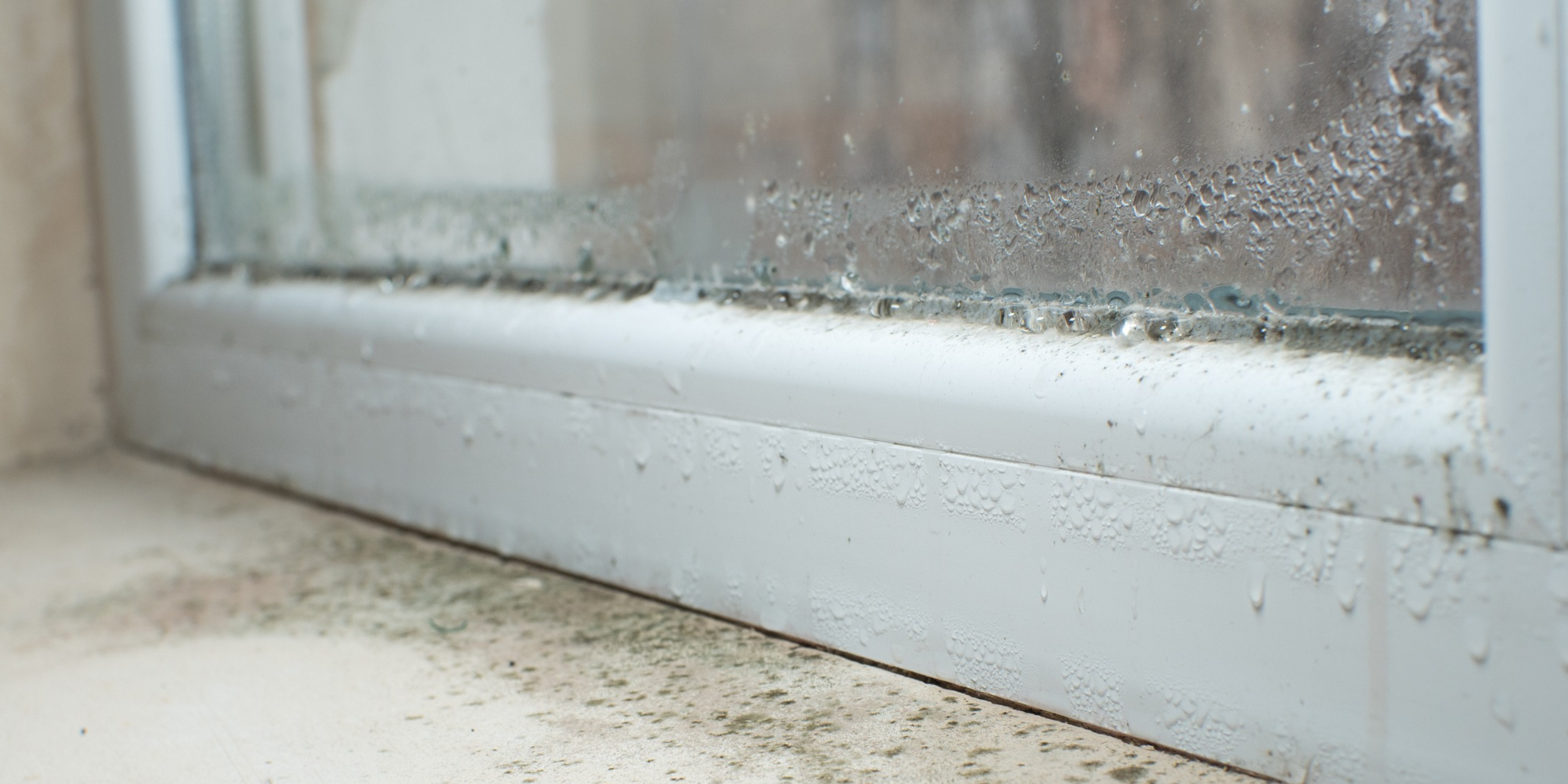
More hazards now come under Awaab's Law for social landlords in England. Phase 2 has added seven further hazard groups to the significant hazard requirements already in place for damp and mould. Emergency hazards are already covered [1][4].
For repairs teams, the practical question is whether you can recognise a potential hazard, understand the risk to the resident and get the right action moving in the required time.
This checklist takes you through that process.
How to use this checklist
Work through it with your repairs and compliance teams, one stage of a repair at a time. Tick each statement that is true for your organisation today. Any box left unticked is a gap to review in your process.
 What are the Awaab’s Law Phase 2 requirements?
Under Awaab's Law, different stages have different clocks:
- 24 hours: investigate a potential emergency hazard and, if confirmed, complete the relevant safety work.
- 10 working days: investigate a potential significant hazard.
- 3 working days: generally, provide the tenant with a written summary after the investigation.
- 5 working days: complete relevant safety work where a significant hazard is identified.
- 5 working days: begin, or take steps to begin, supplementary preventative work.
- 12 weeks: the backstop for starting supplementary preventative work where it cannot reasonably begin within five working days [1].
These are maximum legal timeframes rather than targets. Some cases will need action sooner depending on the hazard and the resident's circumstances.
What does this mean legally? Phase 2 extends the significant hazard requirements that social landlords in England already follow for damp and mould to seven further hazard groups. These include: excess cold, excess heat, structural collapse (which includes pests, refuse, food safety, personal hygiene, sanitation and drainage) [1] [4]. Emergency hazards (other than crowding and space) are already in scope. Fire hazards in the structure, external walls or common parts of multi-occupied buildings that fall under the Fire Safety Order are excluded [1].
Reporting: can every route into your organisation start the clock?
Awaab's Law can be triggered before a case even reaches the repairs team. A potential hazard could be picked up by a contractor or housing officer, reported by someone on the resident's behalf, or raised by another organisation [1].
Check that:
- Every reporting route logs a time-stamped record.
- Contractor agreements require operatives to report any hazard they see, beyond the job they attended [1].
- You have taken legal advice on whether your contractors act as your agent, as a contractor's knowledge may count as your awareness if they do [1].
Working through this with your team? Our whitepaper, Awaab’s Law starts the clock. Who’s watching yours? goes into more depth.
Triage: can your team tell an emergency hazard from a significant one?
Every hazard doesn't always carry the same level of risk. Your team needs to distinguish between emergency and significant hazards and understand how the resident's circumstances affect that assessment [1][4].
Check that:
- Triage scripts cover all seven new categories, using the government’s hazards guidance [2].
- Call handlers ask about age, health, disability and mobility in the household [1].
- Vulnerability records are current, visible at triage and held in line with UK GDPR.
- No report is closed on an assumption about the tenant’s lifestyle [1].
Prioritisation: do your due dates run from the right start point?
Different Awaab's Law requirements have different start points. Emergency cases run on a 24-hour clock, while other requirements are measured in working days [1][4].
Check that:
- Your system applies the correct deadline automatically.
- Cases that need quicker action because of the household's circumstances are brought forward [1].
- Where another rule sets a shorter timeframe, such as for gas leaks, the shorter one applies [1].
- Fire, electrical and structural specialists can attend to the 24-hour and five-day deadlines.
Evidence: could you show every step you took?
Sometimes a landlord might be unable to meet a requirement for reasons genuinely outside of their control. In those situations, clear records become really important. A landlord relying on the legal defence would need to show that it used all reasonable endeavours to comply [1][4].
Check that you record:
- Every attempt to arrange access is logged with date, time, method and outcome.
- Photos (and samples where needed) are taken before remedial work start, as the guidance recommends [1].
- The date each written summary was given is recorded [1].
- Communications with residents and contractors.
- The steps taken when something prevents work progressing as planned.
Escalation: what happens before a deadline is missed?
Cases don't always go to plan, with access, specialist availability or the nature of the work all affecting progress. If the required safety work can't be completed within the legal timeframe, the landlord may need to provide suitable alternative accommodation at no cost to the tenant [1][4].
Check that:
- Cases approaching a deadline automatically go to a named manager.
- Your team knows how to arrange suitable alternative accommodation when it's needed, taking account of household size, access and medical needs, location, length of stay and, where relevant, pets [1].
- Tenants who choose to stay receive the written safety information required [1][4].
Communication: does the tenant know what is happening at each stage?
Residents must be kept updated as their case goes on [1]. They must also receive a written summary following an investigation, including where no hazard is found in circumstances where the summary requirement applies [4].
Your written summary should clearly tell the resident:
- What was investigated and what you found.
- What action is needed, if any.
- When that work is expected to start and end.
- If no further action is needed under the regulations, that fact and the reasons.
- Summaries take account of the tenant’s preferences and needs, including a requested language or accessible format [1].
- Every summary explains how to complain and how to contact the Housing Ombudsman, in line with the Complaint Handling Code, as the guidance recommends [1].
- How the tenant can contact you.
Final thoughts
Each answer of no on this checklist shows where to turn your attention. It's to make sure that when a resident reports a potential hazard, the right people can recognise it, understand the risk, act within the timeframe and keep the resident informed throughout.
The government has said Phase 3 will extend Awaab’s Law to the remaining HHSRS hazards, except overcrowding, in 2027, although the regulations and commencement date have not yet been confirmed, so the processes you put in place now will need to support a broader set of cases [1][3].
Important: This checklist is general information based on the legislation and government guidance as at November 2026. It is not legal advice and does not cover every requirement of Awaab's Law. Completing it does not mean that your organisation complies with the law. You should take your own legal advice on your specific circumstances.
Want to go further in ensuring you are up to date with Awaab’s Law?
Download our whitepaper, Awaab’s Law starts the clock. Who’s watching yours?
Download the whitepaper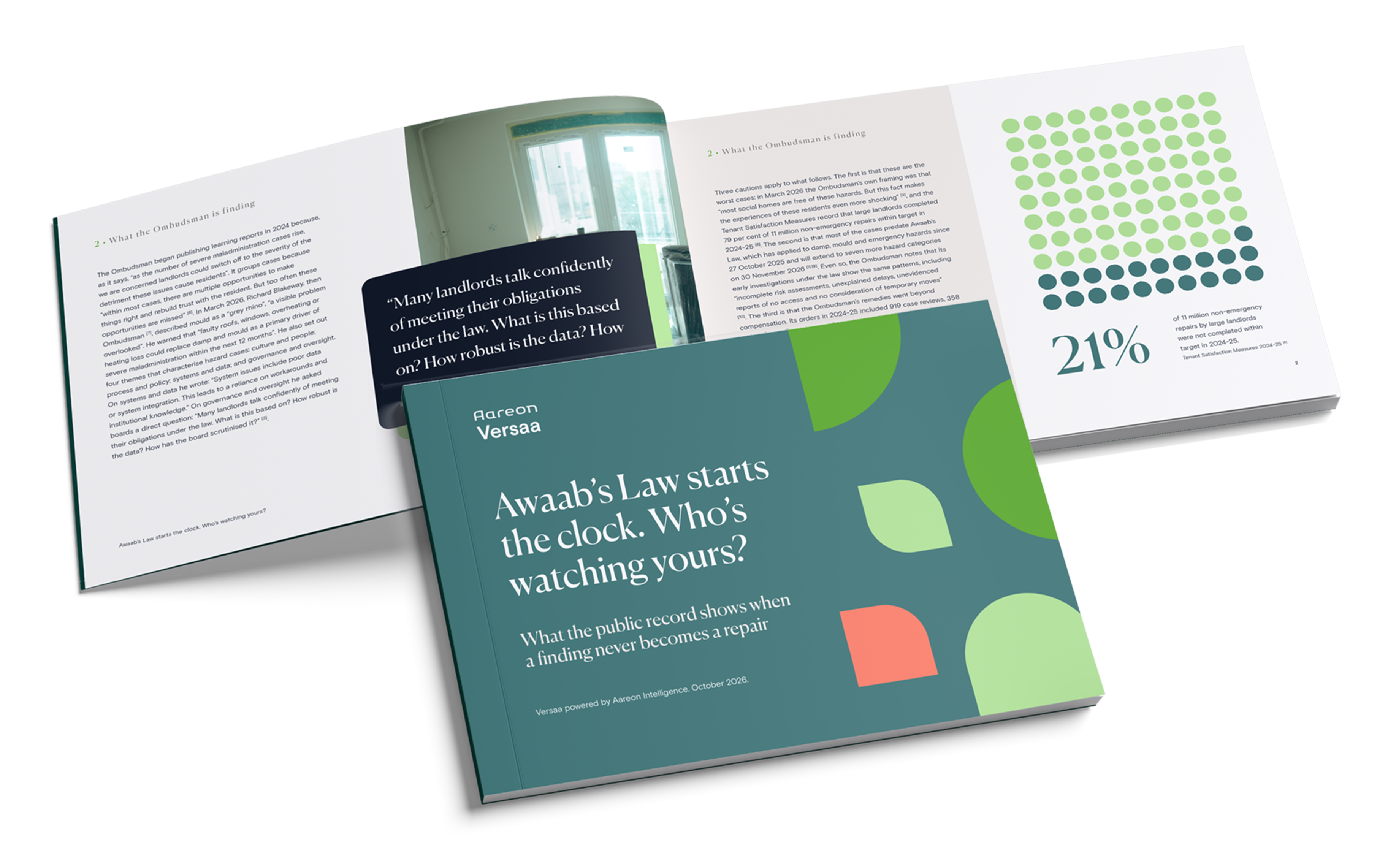
For what Awaab’s Law is, when each phase starts and who it applies to, read our blog, Awaab’s Law Phase 2: the seven new hazards and timescales.
Sources
- Ministry of Housing, Communities and Local Government, Awaab’s Law Phase 2: Guidance for social landlords, updated 31 July 2026.
- Ministry of Housing, Communities and Local Government, Awaab’s Law Phase 2: Hazards guidance for social landlords, July 2026.
- Ministry of Housing, Communities and Local Government, Safer social homes with stronger Awaab’s Law protections – explainer, July 2026.